Streamlining Electronics Production: The Role of Integrated PCB Fabrication, Assembly, and Testing
Behind every modern electronic device is a carefully coordinated manufacturing process that transforms engineering concepts into working products. From communication equipment and industrial controllers to consumer electronics and specialized electronic systems, printed circuit boards provide the foundation that allows different components to function together. Producing a dependable circuit board, however, requires more than accurate fabrication. Component availability, assembly precision, quality inspection, and final product integration are equally important.
For businesses developing electronic products, managing these activities through multiple independent providers can introduce additional coordination and procurement challenges. An integrated manufacturing approach offers a practical alternative by connecting several production stages within one service structure. Choosing an experienced 365 PCB Supplier can help businesses organize their requirements, from initial manufacturing documentation to assembled and integrated electronic products.
The Foundation of Modern Electronics Starts with PCB Fabrication
A printed circuit board provides the physical platform for mounting electronic components and establishing the electrical connections between them. Its design determines how signals and power travel throughout a device, making manufacturing accuracy essential to the overall performance of the finished product.
Different applications require different PCB configurations. Simple electronic products may use relatively straightforward board structures, while advanced equipment can require multilayer construction, specialized materials, and more complex circuit arrangements.
Custom PCB fabrication makes it possible to manufacture boards according to individual engineering specifications. Important considerations include board thickness, copper weight, layer arrangement, surface finish, drilling dimensions, and material properties. Reviewing these requirements before production helps establish a clear manufacturing plan.
Customization for Different Applications
Customized boards provide flexibility when developing products with specific dimensions, electrical characteristics, or mechanical limitations. Engineers can organize circuit layouts according to available space and the functions required by the final device.
Consistency Across Production Orders
Following approved design files and manufacturing specifications is important when producing multiple boards. Consistent production documentation helps manufacturers maintain alignment between the original engineering requirements and subsequent manufacturing batches.
Choosing the Appropriate PCB Assembly Technology
Once fabrication is complete, electronic components must be installed on the board. The assembly method depends on the component packages, circuit design, electrical requirements, and intended application. SMT and THT are two established technologies used throughout the electronics manufacturing industry.
Surface Mount Technology
Surface Mount Technology (SMT) places electronic components directly onto designated surface pads. It supports compact circuit layouts and allows manufacturers to work with small component packages. SMT is particularly useful for products where space efficiency and component density are important considerations.
Through-Hole Technology
Through-Hole Technology (THT) involves inserting component leads into drilled holes before soldering them to the board. This assembly method remains valuable for components that require particular mechanical support or have specific connection requirements.
Fine-Pitch Assembly
Some electronic designs use components with extremely small spacing between their connection points. Fine-pitch assembly requires accurate component placement and controlled soldering procedures. Proper handling is important because even minor positioning errors can affect electrical connections.
Access to different assembly technologies allows manufacturing teams to select appropriate methods based on the technical requirements of each project rather than relying on a single production approach.
Component Procurement and Accurate BOM Preparation
Component sourcing is another important part of electronics manufacturing. Every assembled circuit board requires electronic parts that match the approved engineering design. The Bill of Materials, or BOM, provides the information needed to identify these components and organize purchasing requirements.
A typical BOM contains part numbers, descriptions, quantities, package information, and other relevant specifications. Maintaining accurate records helps prevent purchasing mistakes and makes it easier to coordinate materials with the assembly schedule.
Managing Component Requirements
Projects involving numerous electronic components can create complicated procurement responsibilities. Coordinating sourcing alongside manufacturing requirements can simplify the purchasing process and provide better visibility into material availability.
Verifying Component Compatibility
Not every component with a similar appearance is suitable for a particular circuit. Electrical ratings, package dimensions, operating characteristics, and manufacturer specifications should be considered before approving components for production.
Careful BOM management therefore supports both procurement accuracy and the technical consistency of the final assembly.
How Turnkey PCBA Connects Different Manufacturing Stages
Turnkey printed circuit board assembly combines several manufacturing responsibilities into a coordinated service. Depending on project requirements, this can include PCB fabrication, component procurement, assembly, and quality evaluation.
The process normally starts when a customer provides the necessary manufacturing files. These documents may include Gerber data, drill information, component placement files, assembly drawings, and a complete BOM.
The manufacturing team reviews the supplied information to understand the board construction and assembly requirements. After the documentation has been evaluated, the production workflow can proceed through fabrication, sourcing, component placement, soldering, and inspection.
Coordinating these activities through one manufacturing arrangement can reduce the need for businesses to communicate separately with several suppliers. It also creates a more connected production process, particularly when component purchasing and assembly schedules need to remain aligned.
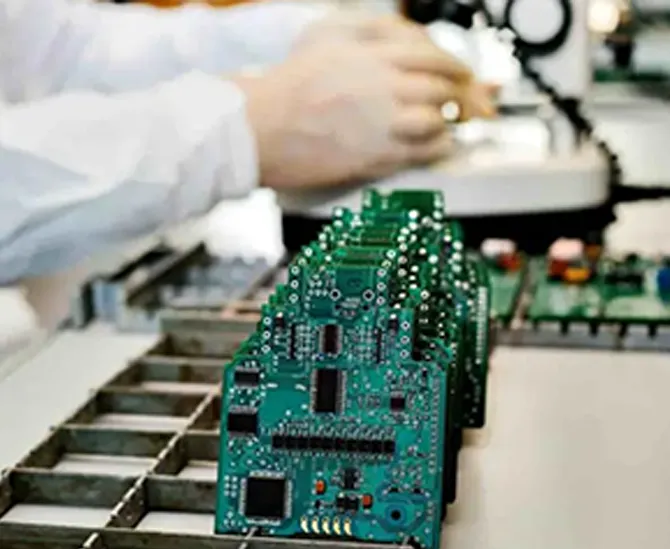
Quality Inspection and Testing Throughout Production
Reliable electronics manufacturing requires appropriate quality checks at different stages. A completed board may contain defects that are difficult to identify through a simple visual examination. Inspection and testing help manufacturers evaluate assembly quality and determine whether the product meets the specified requirements.
Visual inspection can identify issues such as damaged components, incorrect positioning, and visible soldering problems. Automated optical inspection provides another method for examining component placement and solder joint characteristics.
Electrical and Functional Evaluation
Electrical testing can help identify connection problems, short circuits, and other issues affecting board functionality. Functional testing goes further by evaluating whether an electronic assembly performs its intended operations under defined test conditions.
Quality Documentation
Maintaining suitable production and inspection records helps businesses understand how manufacturing requirements are evaluated. Documentation can also support communication between engineering teams and production personnel when adjustments are needed.
The specific inspection methods should always reflect the board design, product category, and customer requirements.
Prototype Development Before Large-Scale Manufacturing
Launching an electronic product without evaluating its design can introduce unnecessary manufacturing risks. Prototype production provides an opportunity to examine a physical version of the circuit board before moving toward larger quantities.
During this stage, engineers can assess component placement, board dimensions, electrical connections, and assembly compatibility. Prototype testing may also reveal opportunities to improve the design or adjust component selections.
After the prototype has been reviewed and the necessary changes have been completed, the project can progress toward production manufacturing. This transition requires attention to approved documentation, material availability, assembly procedures, and quality expectations.
Prototype-to-production support is particularly valuable for businesses developing new products because it provides continuity between early engineering work and manufacturing expansion.
Box Build and the Final Product Integration Process
A finished PCB assembly is not necessarily a complete electronic product. Many applications require the circuit board to be installed inside an enclosure and connected with additional components before it can be used in its intended environment.
Box build manufacturing addresses these additional requirements. Depending on the project, the process may include enclosure installation, cable connections, wiring, mechanical assembly, and integration of different electronic modules.
This service is useful for companies that want to move beyond standalone circuit board production and coordinate more of the final product assembly through their manufacturing partner.
Product integration also requires attention to physical dimensions, connector positions, mounting arrangements, and the relationship between electronic and mechanical components. Proper coordination helps ensure that the assembled product follows the intended design.
Important Factors When Selecting a PCB Manufacturing Partner
Choosing an electronics manufacturing provider involves evaluating several factors beyond production costs. Businesses should consider whether the supplier can accommodate their technical specifications and provide the manufacturing services required throughout the project.
Range of Manufacturing Services
Access to custom PCB fabrication, SMT, THT, fine-pitch assembly, component sourcing, testing, and box build services can make production coordination more convenient.
Technical Communication
Clear communication about engineering files, component specifications, manufacturing limitations, and production expectations helps prevent misunderstandings.
Production Flexibility
A manufacturing partner should be able to understand different project requirements, whether the immediate objective involves prototype development or recurring production orders.
Quality Management
Businesses should understand the inspection and testing procedures available for their particular products. Suitable quality evaluation helps identify manufacturing issues and supports more consistent production outcomes.
Why 365PCB Is Worth Considering for Electronics Manufacturing
365PCB provides a range of services designed to support electronics projects across multiple manufacturing stages. Its capabilities include custom printed circuit board fabrication, turnkey PCBA, SMT and THT assembly, fine-pitch component placement, component and BOM sourcing, inspection, functional testing, and box build.
This combination is relevant to businesses that need more than an individual PCB fabrication service. By covering both board manufacturing and subsequent assembly requirements, the company supports a connected approach to electronics production.
Its prototype-to-production support also addresses an important requirement for companies developing new electronic devices. Projects can involve different production needs as they progress, making access to multiple manufacturing capabilities useful for coordinating development activities.
Before starting a project, customers should prepare accurate manufacturing documentation and communicate their board specifications, component requirements, expected quantities, and testing needs. This information helps establish a clearer understanding of the production scope.
Turn Your Engineering Designs into Production-Ready Electronics
Modern electronics manufacturing depends on the successful coordination of fabrication, component sourcing, assembly, inspection, and final integration. Each stage contributes to the quality and functionality of the finished product. A structured manufacturing workflow helps businesses manage these requirements while maintaining a clear connection between engineering designs and production results.
Whether you are developing a new circuit board, preparing a prototype, organizing turnkey assembly, or looking for box build and product integration, selecting a manufacturing partner with broad technical capabilities can make the process easier to manage.
Discover the manufacturing solutions available through 365PCB and explore how a professional 365 PCB Supplier can support your electronics development objectives. From custom PCB fabrication and component sourcing to assembly, testing, and finished product integration, 365PCB provides a connected manufacturing resource for businesses looking to bring their electronic designs into production.