Smarter Battery Care and Stable Power Delivery: Exploring Modern Charging Solutions
Battery-powered equipment has become an important part of everyday life and modern business operations. Electric transportation, portable electronics, industrial machinery, and energy storage systems all depend on rechargeable batteries to provide convenient and consistent power. However, maintaining these systems requires more than simply connecting a battery to an electrical source. The charging equipment must be compatible with the battery technology and capable of delivering the appropriate electrical output.
As battery applications continue to diversify, specialized charging products are becoming increasingly important. Lithium batteries, lithium iron phosphate batteries, and traditional lead-acid systems each have different charging characteristics. Selecting the correct equipment helps users maintain suitable charging conditions while supporting the intended performance of their electrical systems.
OHRIJA is a brand focused on battery charging and power supply products. It belongs to Dongguan Hengruihong Technology Co., Ltd., established in 2020 and headquartered in Dongguan, Guangdong Province, China. The company is a high-tech enterprise integrating research and development, production, and sales, with products designed for several charging and electrical applications.
Why Choosing the Right Battery Charger Makes a Difference
A battery charger plays an important role in the operation of rechargeable equipment. Its primary function is to regulate the electrical energy supplied to a battery according to specific charging requirements. An appropriate charging process depends on factors such as battery chemistry, voltage, current limits, and temperature conditions.
Using unsuitable charging equipment can result in inefficient operation and may create unnecessary risks for the battery system. This is why customers should avoid assuming that chargers are interchangeable simply because their connectors appear similar.
Specialized charging equipment is developed to accommodate different battery technologies. By selecting products with compatible electrical specifications, users can establish a more appropriate charging arrangement for their devices, vehicles, and energy storage installations.
Different Charging Technologies for Modern Battery Systems
Lithium Battery Chargers
Lithium batteries are widely used in portable electronics, electric mobility products, rechargeable equipment, and energy storage applications. Their combination of energy density and practical operating characteristics makes them suitable for many modern electrical systems.
However, lithium batteries require charging equipment that follows their specific voltage and current requirements. A suitable charger should correspond to the battery manufacturer's recommendations and support the relevant battery configuration.
When comparing lithium charging products, customers should examine output voltage, charging current, connector compatibility, and available protection functions. These details help determine whether a particular model is appropriate for the intended battery.
Lithium Iron Phosphate Battery Chargers
Lithium iron phosphate, commonly referred to as LiFePO4, is an important battery chemistry used in electric transportation, energy storage, and backup power applications. It is valued for its stable characteristics and suitability for repeated charging cycles.
Although LiFePO4 belongs to the lithium battery family, it has its own charging requirements. A compatible charger must provide the appropriate voltage and current according to the battery manufacturer's specifications.
Dedicated charging equipment helps address these requirements and makes it easier for users to select products intended for their particular battery systems.
Lead-Acid Battery Chargers
Lead-acid batteries remain relevant in automotive applications, industrial equipment, and backup electrical systems. Their established technology continues to support many applications where this type of energy storage is suitable.
Different lead-acid batteries may have different charging requirements depending on their design and construction. Selecting an appropriate charger involves checking the battery type, rated voltage, capacity, and recommended charging method.
Golf Cart Charging Solutions for Everyday Transportation
Electric golf carts are now used in many environments beyond traditional golf courses. Resorts, hotels, residential communities, commercial properties, and industrial facilities use them for convenient transportation over short distances.
For these vehicles, battery charging is an important part of routine maintenance. A golf cart charger must match the vehicle's electrical configuration, including battery chemistry, system voltage, connector arrangement, and recommended charging current.
Businesses operating multiple carts should also consider their daily transportation schedules and charging arrangements. Having compatible equipment helps simplify routine charging and supports better planning for vehicle availability.
Before purchasing a charger, operators should consult the vehicle or battery documentation to confirm the required specifications. This is particularly important when replacing existing equipment or working with vehicles that use different battery configurations.
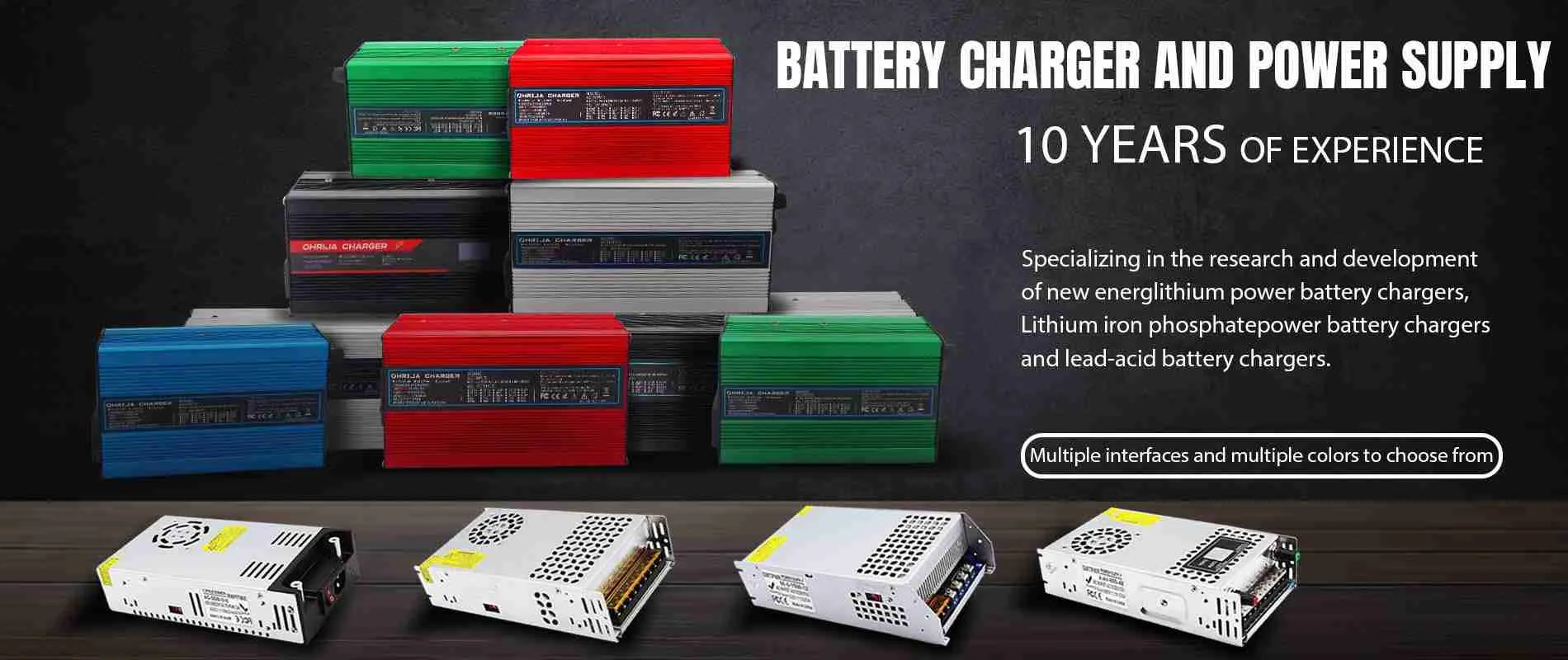
Power Adapters and Switching Power Supplies
Battery chargers represent one part of the broader electrical power industry. Many electronic devices and industrial systems also depend on power conversion equipment to receive the correct electrical supply.
Power Adapters for Electronic Applications
Power adapters convert electrical input into an output suitable for compatible electronic devices. They are commonly used in equipment that requires a specific voltage and current to operate correctly.
When choosing a power adapter, buyers should examine input specifications, output ratings, connector type, and applicable safety requirements. Selecting a suitable product helps ensure compatibility with the connected equipment.
Switching Power Supplies for Controlled Electrical Output
Switching power supplies use electronic switching technology to regulate and convert electrical energy. They are used in many applications, including industrial equipment, electronic systems, and devices requiring controlled power delivery.
Important selection factors include output voltage, current capacity, efficiency, thermal performance, and installation conditions. These specifications should be evaluated according to the needs of the equipment being powered.
Important Features to Evaluate Before Buying Charging Equipment
Choosing a charger requires attention to more than its advertised charging capacity. Buyers should evaluate several technical and practical characteristics to determine whether a product is appropriate for their application.
Voltage and Current Compatibility
The charger's output voltage must match the battery's charging requirements. Charging current should also remain within the limits recommended by the battery manufacturer. Incorrect electrical ratings can affect charging performance and potentially damage connected equipment.
Battery Chemistry Support
Customers should confirm whether a charger supports lithium-ion, LiFePO4, or lead-acid batteries. These technologies have different charging characteristics, so compatibility should never be assumed based only on product appearance or connector design.
Protection and Charging Management
Depending on the model, charging equipment may include overvoltage protection, overcurrent protection, short-circuit protection, temperature monitoring, and automatic charging control. Buyers should consult the individual product documentation to confirm which features are included.
Construction and Operating Conditions
Physical construction can influence the practical usability of charging equipment. Cable quality, connector durability, enclosure design, ventilation, and environmental ratings are relevant considerations, particularly for products used frequently or in commercial settings.
How to Select and Use a Charger Correctly
The selection process should begin by identifying the battery model and reviewing the manufacturer's documentation. Determine the battery chemistry, nominal voltage, recommended charging voltage, and maximum charging current.
Next, compare these requirements with the charger's specifications. Confirm that the product supports the battery type and that the connector configuration and polarity are correct. For golf carts and larger battery installations, professional assistance can help verify the complete system configuration.
Before connecting the equipment, inspect its cables and connectors for visible damage. Place the charger in an appropriate location with adequate ventilation and follow the manufacturer's operating instructions.
Users should avoid charging in environments outside the specified temperature and moisture limits. Regular inspection can help identify damaged wiring, loose connections, and unusual heating. If the equipment behaves unexpectedly, discontinue use when safe and seek appropriate technical assistance.
Why Customers Consider OHRIJA for Battery and Power Products
Finding a suitable charging equipment supplier involves considering product diversity, manufacturing capabilities, technical information, and application requirements. Businesses that work with different battery technologies may prefer suppliers offering several specialized product categories.
Dongguan Hengruihong Technology Co., Ltd. integrates research and development, production, and sales within its business operations. Established in 2020 in Dongguan, Guangdong Province, China, the company focuses on charging and power supply products for a range of electrical applications.
The Ohrija Battery charger range includes lithium battery chargers, lithium iron phosphate battery chargers, lead-acid charging equipment, golf cart chargers, power adapters, and switching power supplies.
This broad selection allows distributors, equipment manufacturers, and commercial buyers to explore different power solutions through one brand. It also provides a useful starting point for customers researching charging products for several applications.
The company's integrated business structure brings product research, manufacturing, and sales together. For potential buyers, these capabilities can be relevant when evaluating suppliers. Individual products should still be assessed according to their specifications, certifications, warranty arrangements, and available technical support.
The Growing Role of Charging Technology in Modern Industry
The increasing use of rechargeable systems is changing requirements across several industries. Electric transportation, portable electronic devices, and energy storage installations all depend on charging equipment suited to their particular applications.
As these technologies develop, customers are paying greater attention to charging efficiency, electrical compatibility, protection functions, and long-term usability. Manufacturers must therefore address different battery configurations while continuing to develop practical power supply products.
Specialized chargers are an important part of this development because no single charging configuration is suitable for every battery type. Understanding the technical differences between battery systems helps users make better purchasing decisions and establish more appropriate charging arrangements.
Explore Dependable Charging Options for Your Next Application
Effective battery management begins with selecting equipment that matches the battery's chemistry, voltage, and operating requirements. Whether the application involves lithium batteries, LiFePO4 systems, lead-acid batteries, or electric golf carts, compatible charging equipment is essential for reliable operation. Power adapters and switching power supplies also support the wider range of electrical devices used in modern environments.
Through its OHRIJA brand, Dongguan Hengruihong Technology Co., Ltd. brings together a varied selection of charging and power supply products backed by an integrated research, development, production, and sales structure.
For customers, distributors, and businesses researching specialized electrical equipment, exploring the available product categories is a practical starting point. Visit the official OHRIJA website to review its charging solutions, examine product information, and identify equipment suited to your requirements. Choose a compatible power solution and discover how OHRIJA can support your next battery charging or electrical project.