ChinaMoneypro UAV: Smart Integrated Unmanned Platforms for Advanced Aerial Solutions
Unmanned aerial vehicle technology is entering an increasingly sophisticated stage. Today's aerial platforms can combine flight capabilities with advanced sensing, stabilized payloads, radar, data transmission, and communication systems. These technologies allow UAVs to be designed for a wide range of applications where remote operation, aerial information collection, and connected systems are important.
Developing such a platform requires more than assembling individual components. It requires an integrated engineering approach that considers the aircraft, propulsion, payload, sensing, and communication architecture as parts of one system. ChinaMoneypro UAV is a national-level high-tech enterprise specializing in the research, development, and manufacturing of advanced unmanned platforms and integrated sensing-communication solutions.
Engineering an Integrated UAV Ecosystem
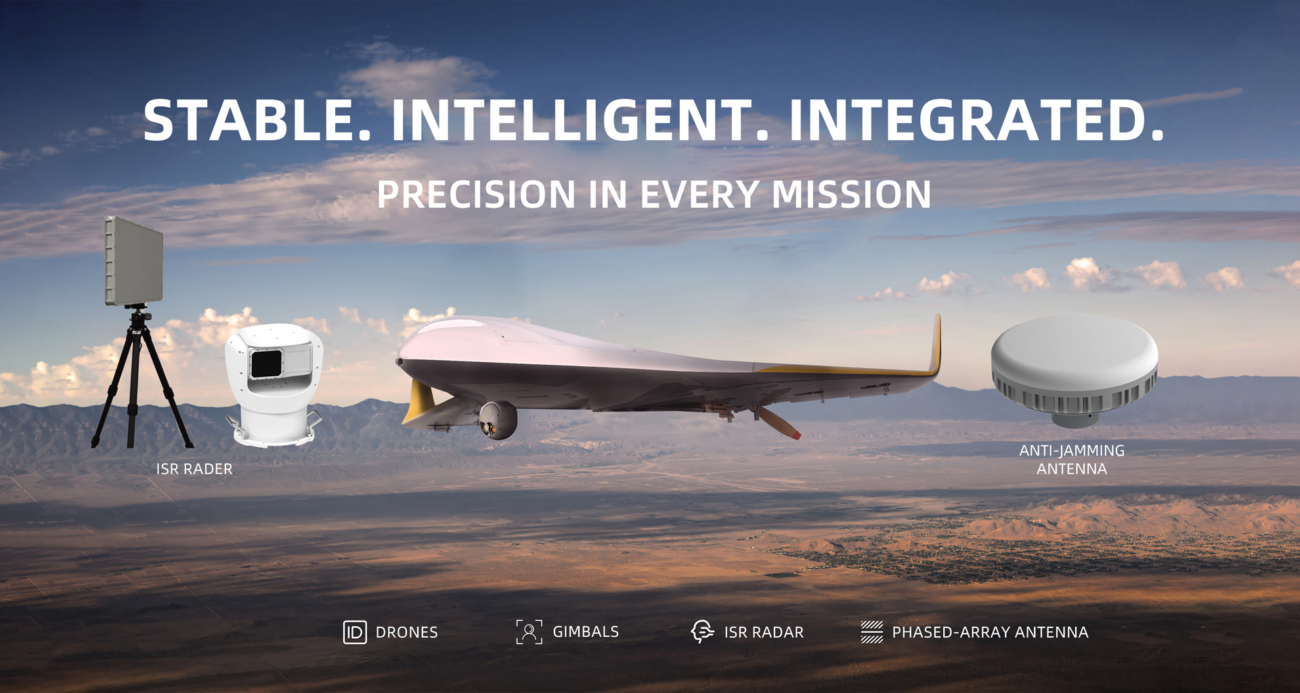
A modern UAV consists of multiple technologies that must operate together. The aircraft platform provides the foundation, while the engine and propulsion system enable flight. Sensors collect information from the surrounding environment, gimbals can stabilize compatible payloads, and radar can add specialized sensing capabilities.
Communication technologies and data links provide another essential layer. They can connect airborne equipment with supporting systems and facilitate the transfer of information. Considering all these elements together can help developers create UAV configurations that are better aligned with their intended applications.
Why System Integration Matters
When components are developed or selected independently, compatibility and integration can become important considerations later in the project. A full-stack approach allows platform, propulsion, sensing, payload, and communication requirements to be considered from an earlier stage.
This approach can provide a clearer view of how each technology contributes to the overall UAV architecture and can help organizations evaluate complete solutions rather than isolated hardware.
A Research-Driven Foundation
The company's background is connected to a prestigious state-owned research institute, providing a foundation rooted in research and engineering. This heritage is relevant to an industry where continuous development and technical innovation play an important role.
Advanced UAV systems bring together disciplines such as aircraft engineering, propulsion, electronics, communications, sensing, and payload integration. A research-focused approach can help address these technical areas while supporting the development of new unmanned platform concepts.
Advanced Platforms for Diverse Requirements
Not every UAV project requires the same configuration. Some platforms may be designed around observation and data collection, while others may require specialized sensing, communication, or payload capabilities. The ability to work with different components gives developers greater flexibility when considering platform architecture.
The portfolio includes complete UAV systems along with engines, gimbals, radar, data links, and communication technologies. These capabilities can be evaluated individually or as connected elements of a larger unmanned solution, depending on project requirements.
Platform and Propulsion
The aircraft platform and propulsion system form the foundation of an unmanned vehicle. Their design influences how the UAV carries equipment and performs its intended flight operations. Considering propulsion alongside payload and aircraft requirements can support more balanced system development.
Sensing and Payload Integration
Sensing technology gives an unmanned aircraft the ability to collect useful information during operation. Depending on the configuration, UAVs can be equipped with different types of payloads suited to specific applications.
Payload integration involves more than simply mounting equipment to an aircraft. Weight, stabilization, power, positioning, and communication requirements can all influence how the payload interacts with the platform. An integrated development approach allows these factors to be considered together.
The Role of Gimbals
Gimbals provide stabilization for compatible payloads and can help maintain controlled equipment orientation while an aircraft moves. This can be valuable for applications where consistent imaging or sensing performance is important.
By incorporating gimbal technology into the wider UAV architecture, developers can consider payload stability together with aircraft movement, structural requirements, and other system characteristics.
Radar and Data Communication
Radar can contribute to the sensing capabilities of an unmanned platform depending on its design and intended application. Integrating radar into a UAV requires consideration of factors such as platform capacity, power, payload configuration, and information handling.
Data links and communication technologies provide another critical part of the system. They can facilitate information exchange between the airborne platform and supporting equipment. In a connected UAV architecture, communication is essential for managing the flow of operational and sensor information.
How the Integrated System Works
An integrated UAV system begins with the aircraft platform and propulsion system. After deployment, the aircraft performs its flight operations while its configured payloads and sensors collect information. Gimbals can provide stabilization for compatible equipment, while radar can support additional sensing functions where required.
Information gathered by the platform can then be transferred through the appropriate data-link and communication systems. Supporting equipment can receive and manage the information according to the system architecture. This workflow highlights the importance of coordination between the aircraft, payload, sensing equipment, and communications infrastructure.
Important Features of the Technology Portfolio
Full-Stack Development
A broad technology portfolio allows multiple UAV components to be considered within a single development ecosystem. This includes aircraft platforms, engines, gimbals, radar, data links, and communications.
Integrated Sensing and Communication
Combining sensing with communication capabilities helps create connected UAV architectures in which collected information can move between airborne and supporting systems.
Engineering-Oriented Development
The research heritage behind the company supports an engineering-focused approach to UAV technology. This is particularly relevant for projects requiring coordination between multiple technical disciplines.
Why Organizations Consider a Full-Stack UAV Provider
Organizations developing advanced UAV projects may prefer to work with technology partners capable of addressing several parts of the system. ChinaMoneypro UAV brings together a wide range of unmanned technologies, allowing developers to explore platform, propulsion, sensing, stabilization, radar, data-link, and communication requirements within a broader technical framework.
This approach can be useful when project requirements extend beyond a standard aircraft. Instead of focusing exclusively on flight, developers can consider the complete system and how its individual technologies contribute to the intended application.
The company's location within one of China's premier innovation hubs also provides access to an environment focused on technology development and engineering innovation. Combined with its research background, this supports its role as a provider of integrated unmanned technology.
Where Modern UAV Platforms Can Be Applied
Unmanned platforms can support a variety of civilian, commercial, industrial, and research applications. Depending on their configuration, they can be considered for surveying, mapping, inspection, aerial observation, environmental monitoring, research, and data collection.
Each application can require a different combination of platform characteristics and supporting technologies. Payload requirements, sensing objectives, communication needs, flight conditions, and data-transfer requirements can all influence the final UAV design.
Advancing Connected Unmanned Aviation
The development of modern UAVs is increasingly focused on connectivity and integration. Aircraft platforms must work together with engines, sensors, gimbals, radar, data links, and communication systems to create complete solutions for specific requirements.
A full-stack technology model provides an effective framework for considering these elements together. With capabilities spanning UAV platforms, propulsion, sensing, radar, payload stabilization, and communication, Moneypro offers a comprehensive foundation for organizations exploring advanced unmanned systems.
Explore the Future of Integrated UAV Technology
The future of aerial automation will continue to depend on technologies that connect flight, sensing, communication, and data. Developing a capable unmanned platform means considering every major component as part of a larger ecosystem.
For organizations seeking advanced unmanned platforms and integrated sensing-communication solutions, ChinaMoneypro UAV provides a broad technology portfolio supported by research heritage and engineering capabilities. Visit the official website to explore its UAV systems, components, and communication technologies and discover new possibilities for next-generation unmanned aviation.